
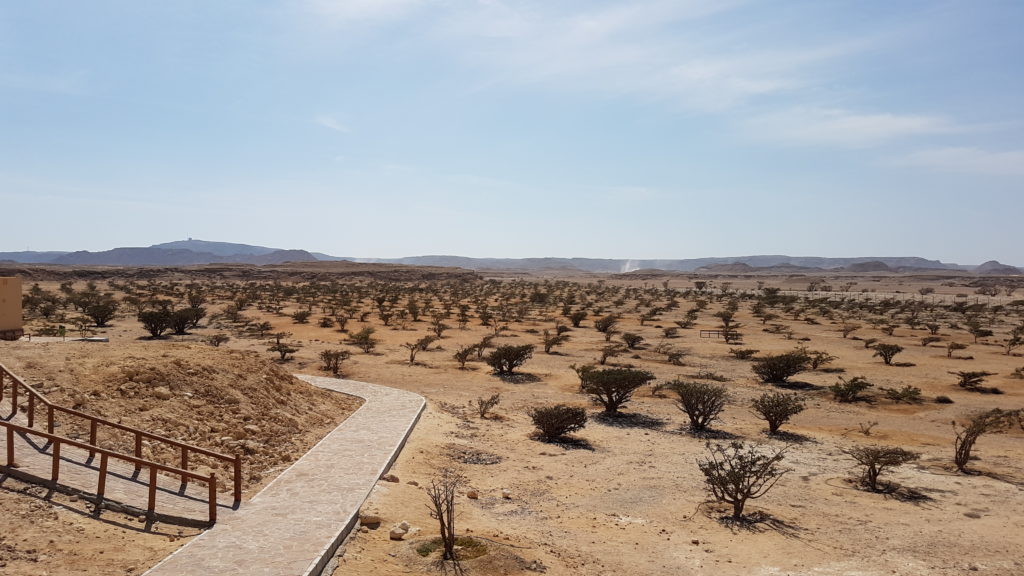
Wadi Dawkah Oman is one of the most important cultural and historical sites in southern Arabia. Located in the Dhofar region near Salalah, this remarkable valley is home to one of the world’s most significant concentrations of wild frankincense trees. Recognized as a UNESCO World Heritage Site, Wadi Dawkah represents a living connection to an ancient trade that once shaped civilizations across Arabia, Africa, and the Mediterranean.
For travelers visiting Oman during the winter months, Wadi Dawkah offers a calm, educational, and culturally rich experience. Mild temperatures and clear skies between November and March make this period ideal for exploring the landscape, learning about frankincense production, and understanding the deep historical importance of the region.
What Is Wadi Dawkah Oman?
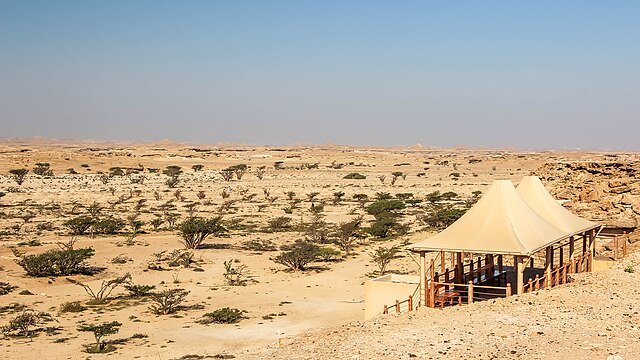
Wadi Dawkah is part of the Land of Frankincense, a group of UNESCO-listed sites that highlight Oman’s central role in the ancient frankincense trade. The valley contains hundreds of naturally growing frankincense trees, many of which are centuries old.
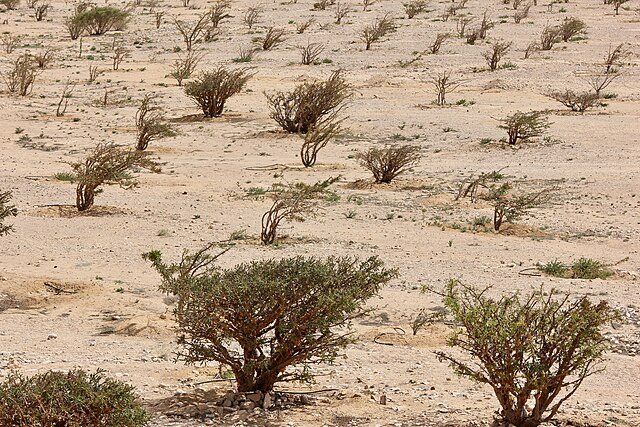
Unlike plantations or museums, Wadi Dawkah is a living landscape, where visitors can see frankincense trees growing in their natural environment. This makes the site especially valuable for travelers interested in history, archaeology, and traditional practices that continue to this day.
The Importance of Frankincense in Oman’s History
Frankincense was once among the most valuable commodities in the ancient world. Used in religious rituals, medicine, and trade, it connected southern Oman with distant civilizations such as Rome, Egypt, and Mesopotamia.
Wadi Dawkah Oman was a key point along these ancient trade routes. Caravans transporting frankincense passed through this region on their journey across Arabia. The wealth generated by this trade contributed to the rise of legendary settlements, including desert cities such as The Lost City of Ubar, which played a supporting role in the wider incense network.
Visiting Wadi Dawkha allows travelers to step into this history and understand how a single natural resource influenced global exchange thousands of years ago.
Visiting Wadi Dawkah from Salalah
Wadi Dawkha is located approximately 40 kilometers north of Salalah. The journey takes visitors away from the coastal plains into a more remote and atmospheric landscape, offering views of dry valleys, rocky terrain, and scattered frankincense trees.
While the site is accessible by vehicle, visiting Wadi Dawkha as part of a guided tour from Salalah provides deeper insight. A local guide can explain how frankincense is harvested, why trees grow in this specific environment, and how the trade shaped local communities.
What You’ll Experience at Wadi Dawkah Oman
A visit to Wadi Dawkha Oman is calm and reflective rather than fast-paced. The experience focuses on observation, learning, and appreciation of cultural heritage.
Visitors can expect:
- Walking among naturally growing frankincense trees
- Learning how frankincense resin is harvested
- Viewing the landscape that supported ancient trade routes
- Understanding the significance of UNESCO recognition
- Enjoying quiet surroundings ideal for photography
The open terrain and gentle walking conditions make the site accessible to most visitors.
A Typical Wadi Dawkah Tour Itinerary
Guided tours to Wadi Dawkha from Salalah are usually designed as half-day cultural experiences.
A typical itinerary includes:
- Pickup from Salalah
- Scenic drive through Dhofar’s inland landscapes
- Arrival at the Wadi Dawkha UNESCO site
- Guided walk among frankincense trees
- Explanation of harvesting methods and trade history
- Time for photography and exploration
- Return to Salalah
Private tours allow flexibility and the possibility of combining Wadi Dawkah with other nearby cultural or natural sites.
Why Visit Wadi Dawkah with a Local Guide?
Wadi Dawkha Oman may appear simple at first glance, but its true value lies in understanding what you are seeing. A local guide transforms the visit from a walk in nature into a meaningful cultural experience.
A guided visit provides:
- Historical context about the frankincense trade
- Insight into traditional harvesting techniques
- Cultural explanations passed down through generations
- Clear understanding of UNESCO’s recognition
For international visitors, this added depth is often the most memorable part of the experience.
Best Time to Visit Wadi Dawkah Oman
The best time to visit Wadi Dawkha Oman is during the winter season from November to March. During these months, temperatures are mild and comfortable, making walking and exploration pleasant.
Winter visitors benefit from:
- Clear skies ideal for photography
- Comfortable daytime temperatures
- Quiet surroundings without seasonal congestion
For European travelers, Wadi Dawkha in winter offers an enriching cultural experience without extreme heat.
Who Is the Wadi Dawkah Tour Best For?
Wadi Dawkha appeals especially to:
- Cultural and history-focused travelers
- Visitors interested in UNESCO World Heritage Sites
- Travelers seeking calm, educational experiences
- Couples and small groups preferring relaxed itineraries
The site is not physically demanding, making it suitable for a wide range of age groups.
Combining Wadi Dawkah with Other Salalah Experiences
Many travelers choose to combine Wadi Dawkha with other nearby destinations to create a balanced day trip. Cultural visits pair well with natural landscapes and desert excursions.
For example, travelers interested in deeper historical context may combine Wadi Dawkah with desert heritage experiences such as The Lost City of Ubar, offering a broader understanding of the frankincense trade network.
How to Book a Wadi Dawkah Tour from Salalah
Travelers can choose between two booking options depending on their preferences:
Booking via WhatsApp (Private Cultural Tour)
Ideal for travelers seeking a personalized experience, flexible timing, and direct communication with a local guide.
Booking through TripAdvisor
Suitable for travelers who prefer using a recognized platform with reviews, structured itineraries, and instant confirmation.
Both options ensure a reliable and informative visit to one of Oman’s most important cultural landmarks.
Is Wadi Dawkah Oman Worth Visiting?
Yes. Wadi Dawkah Oman offers a rare opportunity to experience a living UNESCO heritage site in a calm and authentic setting. For travelers visiting Salalah during winter, it provides cultural depth, historical understanding, and a peaceful alternative to busier attractions.
The site’s significance, combined with its accessibility and mild winter climate, makes it an essential stop for culturally curious travelers.
A Journey Through the Land of Frankincense
Wadi Dawkah Oman stands as a symbol of Oman’s historical role in global trade and cultural exchange. Visiting this UNESCO-listed site from Salalah allows travelers to connect with a story that shaped ancient civilizations and continues to define the identity of the Dhofar region.
For those seeking meaningful travel experiences during the winter months, Wadi Dawkah offers insight, authenticity, and a lasting connection to Oman’s heritage.
| Experience | Duration | Best For | Book |
|---|---|---|---|
| Wadi Darbat Tour | 4h | Nature Lovers | Check Price |
| Ayn Razat Experience | 3h | Families | Check Price |
| Mughsail Beach Tour | 5h | Relaxation | Check Price |
| Frankincense Land Tour | 3h | Culture Seekers | Check Price |
| Desert Sunset Safari | 5h | Adventure | Check Price |
| Mirbat Historical Tour | 4h | History Lovers | Check Price |
| Jabal Samhan Viewpoints | 6h | Photography | Check Price |
| City Highlights Tour | 3h | First Timers | Check Price |
| Hidden Waterfalls Trip | 6h | Explorers | Check Price |
| Private Custom Tour | Flexible | Couples |
FAQ:
Is Wadi Dawkah oman worth visiting in winter?
Yes. Wadi Dawkah is best visited between November and March, when the weather is mild and ideal for walking among the frankincense trees without heat or crowds.
How long does a Wadi Dawkah tour take?
A typical guided visit to Wadi Dawkah takes around 4 hours, making it a comfortable half-day cultural experience from Salalah.
What makes Wadi Dawkah special?
Wadi Dawkah is a UNESCO World Heritage Site and one of the few places in the world where wild frankincense trees still grow naturally, connected to ancient trade routes.
Is a guide recommended for visiting Wadi Dawkah?
Yes. A local guide explains the history of the frankincense trade, how the trees are harvested, and why the site is internationally protected, which greatly enhances the visit.
How can I book a Wadi Dawkah tour from Salalah?
You can book a private tour via WhatsApp for a flexible experience, or choose TripAdvisor if you prefer booking through a trusted platform with reviews.