
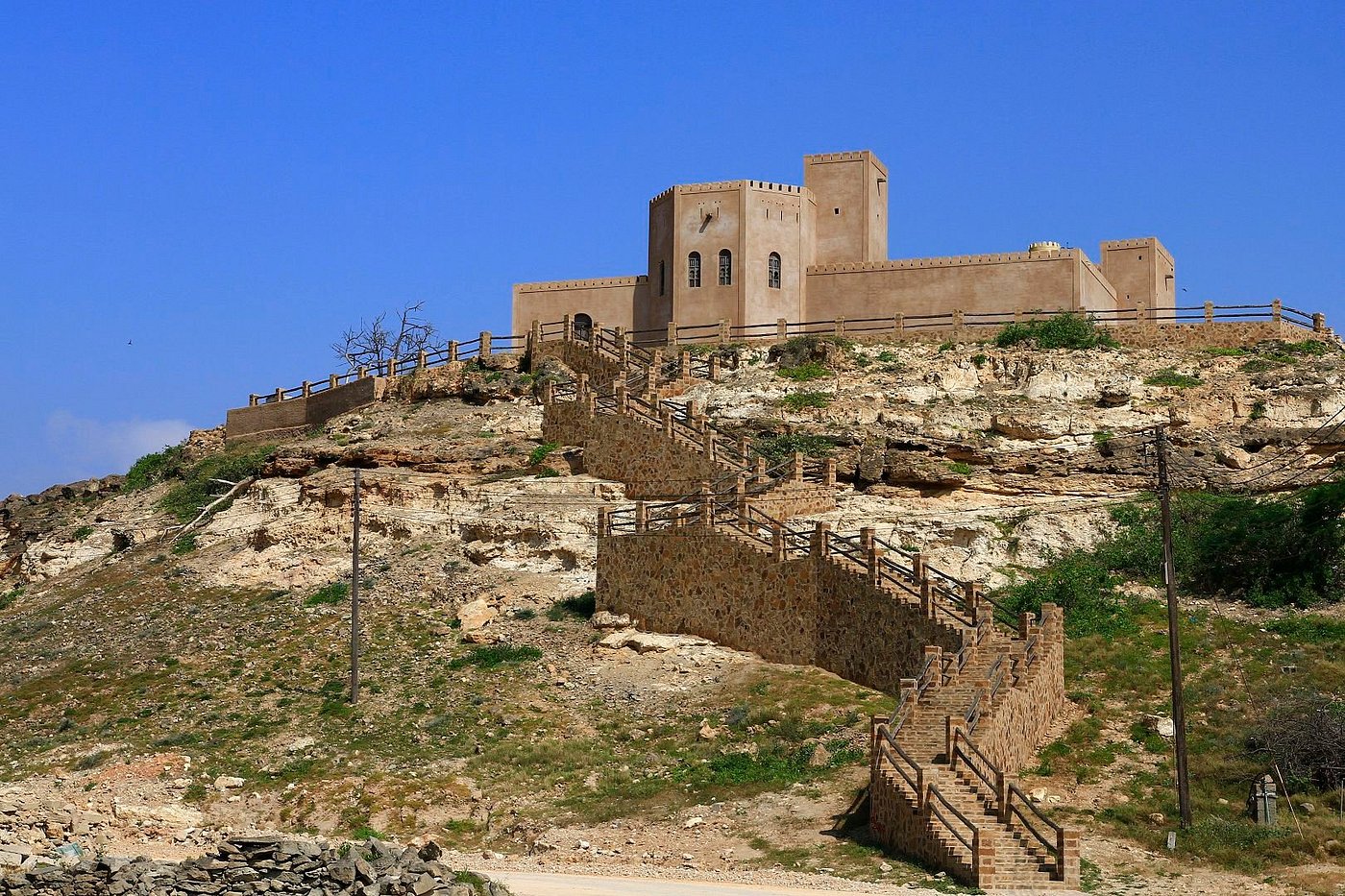
Taqah Castle is one of the most rewarding cultural stops near Salalah for European travelers who value authenticity, history, and quiet exploration. Located in the coastal town of Taqah, just east of the city, the castle offers a rare opportunity to step inside a preserved historic residence that reflects daily life in Dhofar rather than royal or monumental history.
Taqah Castle offers a rare glimpse into Oman’s coastal heritage, combining traditional architecture with panoramic views of the surrounding area.
For Europeans visiting Salalah during winter, Taqah Castle provides a calm cultural contrast to nature-based excursions. It is not crowded, not commercial, and not rushed—making it especially appealing for travelers seeking depth and context rather than spectacle.
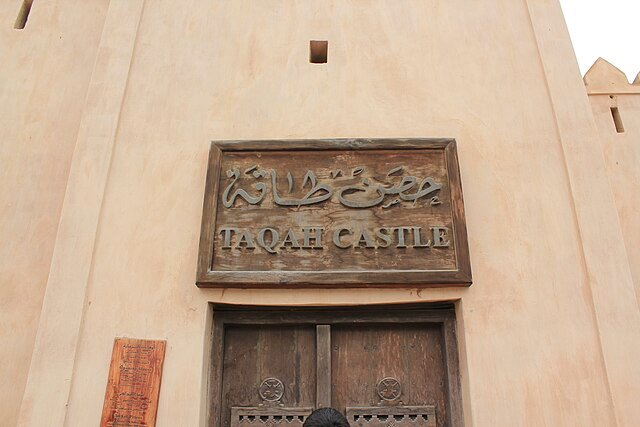
Why European Travelers Appreciate Taqah Castle
Unlike large forts or heavily restored heritage sites, Taqah Castle feels personal and grounded. It was once the residence of a local governor and has been preserved to show how families lived, governed, and protected themselves in coastal Dhofar.
European travelers value the castle because it offers:
- An authentic look at local life
- Original rooms and architectural details
- A quiet atmosphere without tour buses
- Cultural insight without overwhelming information
For travelers interested in understanding Salalah beyond landscapes, this site adds meaningful perspective.
What Visitors Experience Inside Taqah Castle
Walking through the castle feels more like entering a historic home than a fortress. The structure is compact, well-preserved, and easy to explore at a relaxed pace.
Visitors typically move through:
- Living rooms that reflect daily family life
- Storage and service areas
- Upper floors used for observation and security
- Windows and openings designed for airflow and privacy
The experience is especially engaging for European travelers who enjoy architecture, interior details, and cultural storytelling rather than large-scale monuments.
The Coastal Setting and Its Historical Meaning
Taqah’s coastal location played an important role in shaping local life. Fishing, trade, and maritime awareness influenced how homes were built and protected. The castle’s design reflects this balance between openness and defense.
For European visitors, the coastal context helps connect:
- Architecture with environment
- Daily life with geography
- Local governance with maritime culture
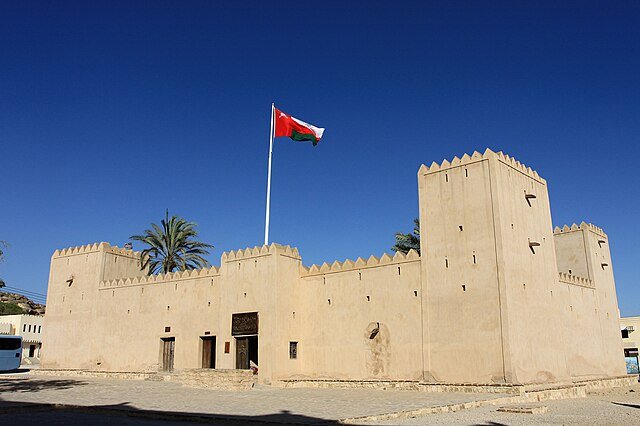
Visiting Taqah Castle in Winter (October to March)
Winter is the ideal season to visit Taqah Castle. From October to March, Salalah’s mild climate allows visitors to explore cultural sites comfortably without heat or humidity.
During winter visits:
- Walking inside and around the castle is comfortable
- Light conditions are ideal for photography
- It’s easy to combine culture with coastal stops
This makes Taqah Castle a natural addition to winter itineraries designed for European travelers.
How Taqah Castle Fits a Balanced Salalah Itinerary
Taqah Castle works best as part of a mixed itinerary that combines culture and nature. Many European travelers prefer alternating between outdoor landscapes and cultural experiences to avoid fatigue.
A common combination includes:
- A historical visit to Taqah Castle
- A coastal stop nearby
- A nature experience earlier or later the same day
Travelers often pair cultural sites like this with nearby natural attractions such as Wadi Darbat, creating a well-rounded day without long driving distances.
Taqah Castle vs Other Heritage Sites Near Salalah
Compared to archaeological ruins or large forts, Taqah Castle offers a more intimate experience. It focuses on domestic life and coastal identity rather than ancient trade or military power.
Travelers who prefer:
- Human-scale heritage
- Interior spaces over ruins
- Quiet reflection over extensive walking
Often find Taqah Castle more engaging than larger historical sites.
Those interested in ancient trade history may also enjoy visiting Samharam (Khor Rori) as a complementary cultural stop.
Photography and Visual Details Europeans Enjoy
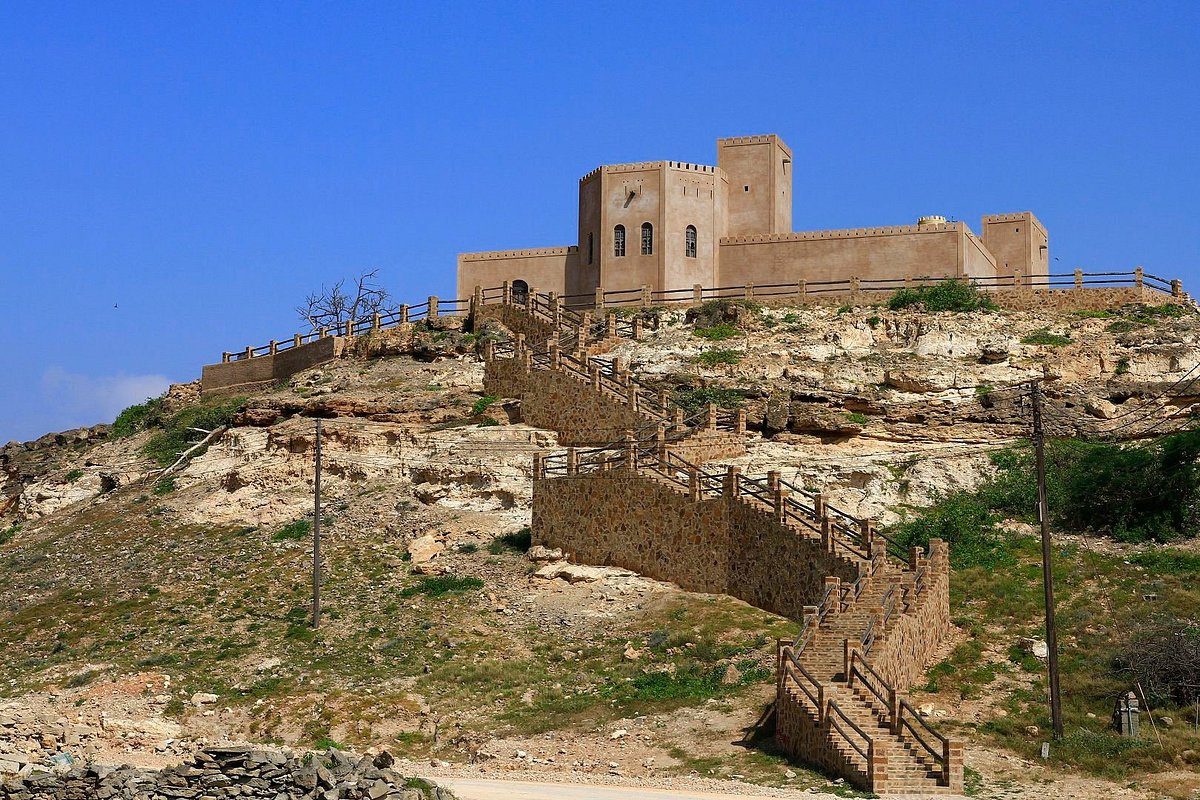
Photography is one of the highlights of visiting Taqah Castle. The building’s proportions, textures, and natural light make it ideal for detail-focused photography.
Popular subjects include:
- Wooden doors and window frames
- Interior room layouts
- Views toward the coast
Because the site is rarely crowded, photographers can take their time without interruption.
Is Taqah Castle Worth Visiting?
For European travelers seeking calm cultural insight rather than grand historical narratives, Taqah Castle is absolutely worth including. It provides context, authenticity, and a deeper understanding of coastal Dhofar life.
When combined with nature and archaeological sites, it helps create a complete picture of Salalah that goes beyond scenery alone.
Many European travelers describe this stop as a quiet and authentic cultural experience, based on shared visitor reviews.
Many travelers visit Taqah Castle as part of a wider cultural itinerary — you can explore curated Salalah tours and nearby attractions to plan your visit efficiently.
Experience Duration Best For Book Wadi Darbat Tour 4h Nature Lovers Check Price Ayn Razat Experience 3h Families Check Price Mughsail Beach Tour 5h Relaxation Check Price Frankincense Land Tour 3h Culture Seekers Check Price Desert Sunset Safari 5h Adventure Check Price Mirbat Historical Tour 4h History Lovers Check Price Jabal Samhan Viewpoints 6h Photography Check Price City Highlights Tour 3h First Timers Check Price Hidden Waterfalls Trip 6h Explorers Check Price Private Custom Tour Flexible Couples
FAQ :
Q1: Is Taqah Castle worth visiting?
A: Yes. It’s a compact but well-preserved castle that offers insight into Oman’s coastal history and traditional architecture.
Q2: How far is Taqah Castle from Salalah?
A: The castle is about 30 minutes by car from Salalah, making it an easy cultural stop.
Q3: How much time do you need at Taqah Castle?
A: Most visitors spend around 30–45 minutes exploring the castle.
Q4: Can Taqah Castle be combined with other attractions?
A: Yes. Many visitors combine it with nearby beaches or historical sites around Taqah.